

One Belt. Multiple Motors. Zero Arguments.
Drives that share the load equally—so your belt never piles up or tears apart.
Long overland and incline conveyors require multiple drive pulleys distributed along the belt path. Without precise load sharing, the first drive pulls hardest while trailing drives fight each other—stacking belt tension, accelerating pulley lagging wear, and risking catastrophic belt failure at splices. Standard VFDs in independent speed mode cannot maintain the torque balance required for…
The Physics That Punishes Poor Coordination
- We shold know the pain point! -
A 0.1% speed difference between adjacent drives shifts 30% of the load to the faster motor. Belt tension skyrockets at splices; motor thermal capacity is wasted.
Unsynchronized deceleration ramps cause belt compression waves. Material spills, and belt folds at take‑up pulleys—requiring hours of cleanup and resplicing.
Without torque proving before brake release, gravity take‑ups can drop, sending the belt into uncontrolled motion before drives establish torque control.
Load imbalance forces some pulleys to transmit more torque than designed. Lagging delaminates, pulleys slip, and belt covers glaze—reducing friction coefficients permanently.
Every Drive Pulls Its Weight. No More, No Less.
- How We Solve It? -
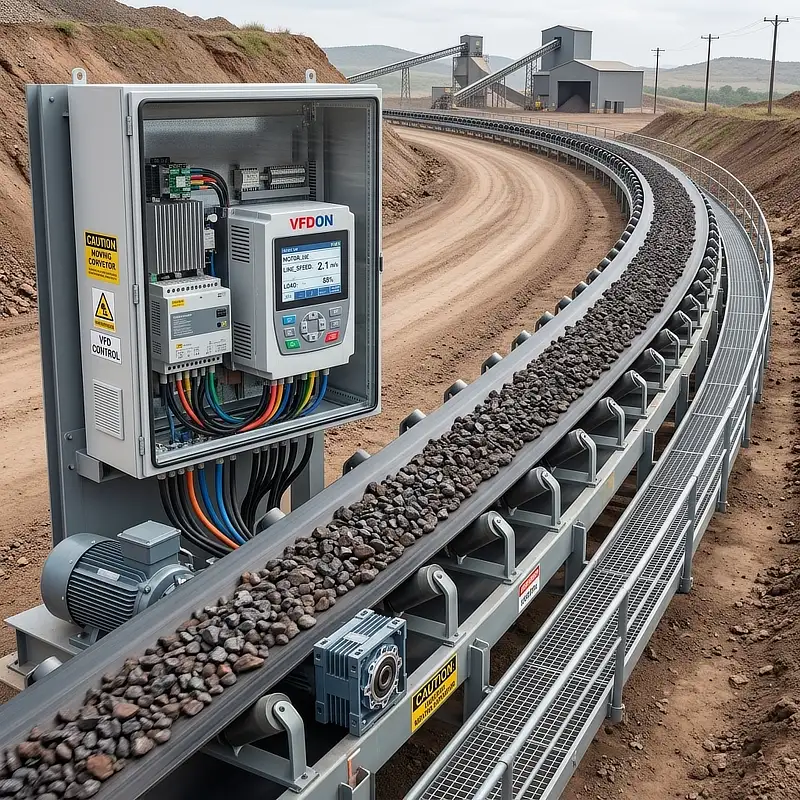
We ensure balanced multi‑drive operation through master‑follower load‑sharing architecture where one drive (typically head pulley) operates in speed control while all followers run in torque‑follower mode—referencing the master’s torque command to guarantee equal load distribution across all coupled pulleys regardless of pulley diameter differences or belt stretch. For applications requiring soft mechanical coupling, our droop control algorithm introduces a user‑programmable speed reduction as torque increases, allowing drives to naturally settle into balanced operating points. Sequenced brake control with torque proving ensures each drive establishes full torque command before its brake releases, preventing load rollback and take‑up movement during starting. Synchronized deceleration ramps prevent belt compression waves during stops, while integrated belt slip detection monitors speed differential between drive pulley and belt surface to alert operators before lagging damage occurs.
Why Your Belt Thanks You
- Our products advantage -
Equal Torque Sharing Across All Drives
Master‑follower architecture with torque‑follower mode ensures each drive contributes equally—eliminating belt tension stacking and splice stress.

Torque Proving Before Brake Release
Drives establish full torque before brakes disengage. No rollback, no take‑up drop, no uncontrolled belt motion during starting.
Synchronized Stopping
Coordinated deceleration across all drives prevents belt compression waves and material spillage during emergency and normal stops.
Belt Slip Detection
Continuous monitoring of pulley‑to‑belt speed differential alerts operators before lagging wear becomes critical—protecting long‑term friction coefficients.
Recommend Products
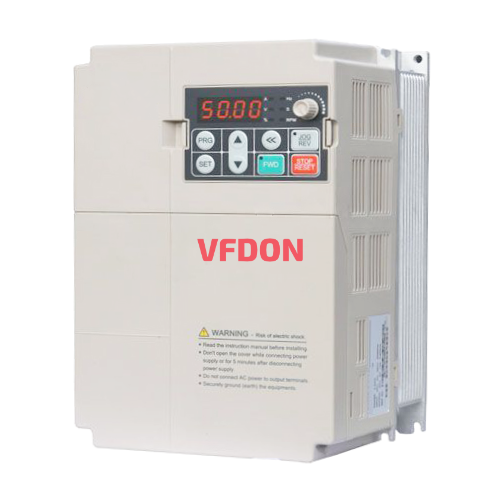
VDN200 Series
High-Performance Current Vector VFD | 180% Torque at 0.5Hz & 0Hz | 0.02% Accuracy | 0.75-560kW AC Drive
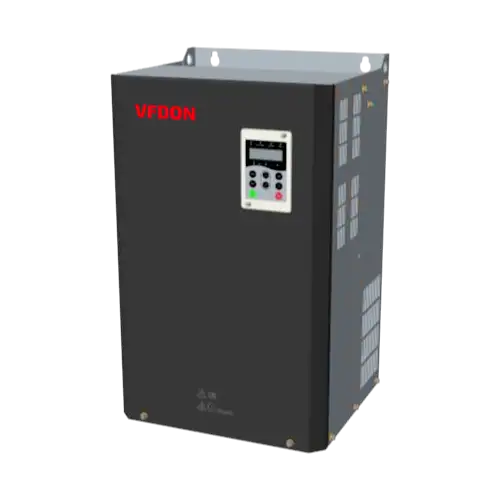
VDN700 Series
High-Performance Sensorless & Closed-Loop Vector AC Drive (0.75kW – 450kW)
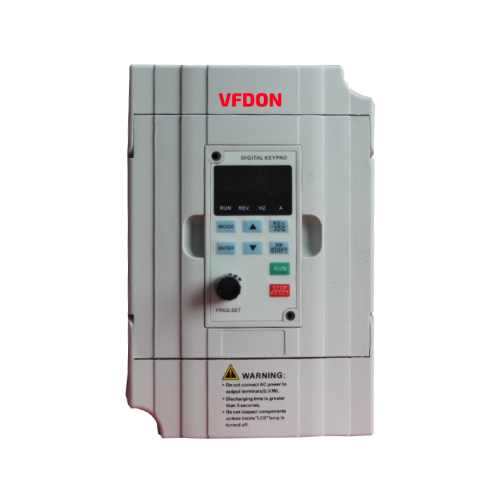
VDN60 Series
Ultra-Compact Sensorless Vector VFD | 0.4kW – 2.2kW AC Drive
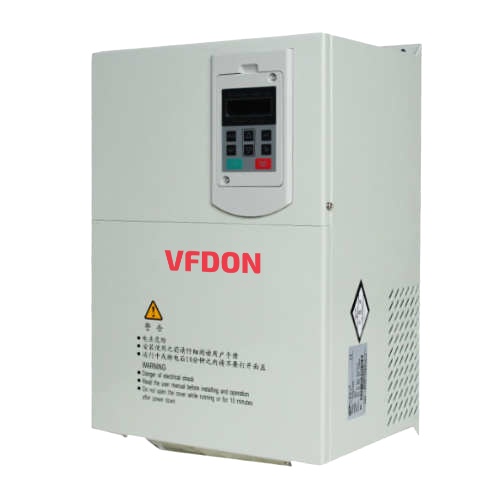
VDN500 Series
Universal Current Vector Control Inverter for AC Motor Control